Understanding the Risks of Mold in Historic Homes
Why Historic Homes Face Unique Moisture Challenges
Living in a historic home comes with a certain kind of pride. The craftsmanship, the Victorian architecture, the stories embedded in every room, it is something newer construction rarely matches. But if you own a property built before 1950, especially here in Detroit, you have probably noticed that keeping it dry is an ongoing battle. The same features that give these houses their character, lath and plaster walls, deep foundations, and intricate rooflines, also make them vulnerable to moisture intrusion. And when moisture finds a way in, the risk of mold in historic homes goes up considerably.
It is not just about ugly spots on the wall. Mold in a historic home can damage irreplaceable materials like original plaster, wood trim, and wallpaper. Worse, it can create health problems for the people living there. The EPA has long recognized indoor air quality as a critical factor in respiratory health, and mold is one of the most common pollutants. For anyone trying to balance historic preservation with modern living, understanding how moisture behaves in these buildings is the first step toward a solution.
Where Moisture Hides in Older Homes
Old houses breathe differently than new ones. Before the 1940s, builders did not install vapor barriers or seal foundations the way we do now. Basements were often dirt-floored or had rubble walls that let groundwater seep through. Even after a concrete slab is poured, capillary action can pull moisture up from the soil. This is where basement waterproofing becomes essential. Without it, the lowest level of a historic home stays damp year-round, creating a perfect environment for mold spores to germinate.
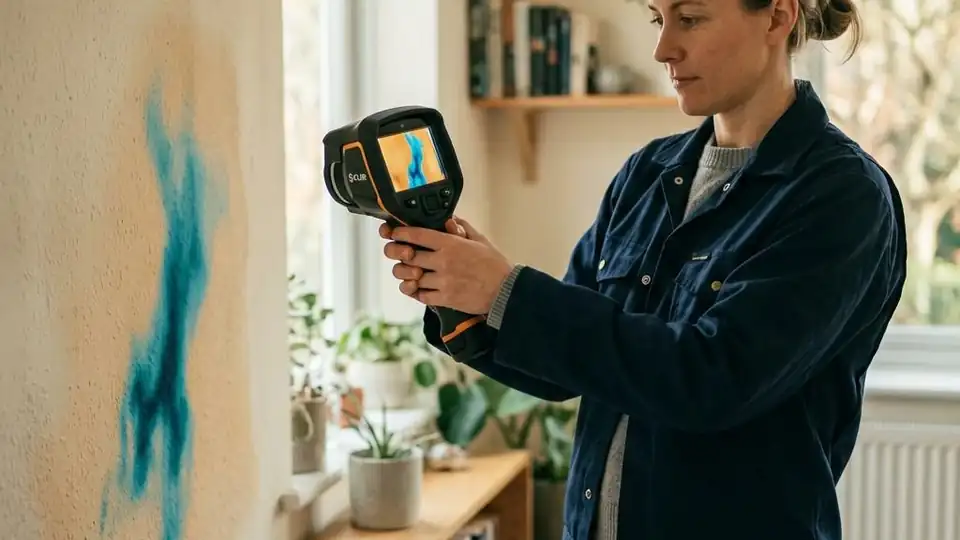
Above ground, the problems are less obvious. Lath and plaster walls are porous. They wick moisture from leaks or high humidity and hold it for days. Unlike drywall, which can be cut out and replaced, plaster is labor-intensive to repair. And if you have ever tried to clean mold off a textured plaster ceiling, you know it is nearly impossible to get the surface fully dry afterward. This is why mold inspection in a historic home often reveals hidden growth behind walls or under floorboards, places a casual look would never catch.
The Hidden Dangers: Lead and Asbestos
Before you start any remediation work, you need to know what else might be in those walls. Many historic homes contain lead-based paint and asbestos. Disturbing these materials during a mold cleanup can release toxic dust into the air. The EPA has clear guidelines for handling both, and mold remediation contractors should be trained to work around them. Never sand or scrape moldy surfaces in an older home without first testing for lead and asbestos. It adds a layer of complexity, but it is non-negotiable for safety.
This is where a professional mold inspection pays off. A good inspector will not only measure spore counts but also check for these legacy hazards. They can recommend a sequence of work that protects everyone involved. For example, they might suggest sealing off the work area with plastic sheeting and using a HEPA vacuum to capture fine particles before any demolition begins. The same vacuum is also effective for removing mold spores from surfaces after cleaning, provided the filter is properly maintained.
Balancing Historic Preservation with Modern Moisture Control
The National Trust for Historic Preservation has long advocated for "reversible" repairs, methods that can be undone without damaging the original fabric of the building. This philosophy applies to moisture control as well. You do not want to seal a historic home so tightly that it cannot breathe. Old buildings rely on air movement through cracks and chimneys to keep moisture from accumulating. If you install a vapor barrier on the interior without considering where the water vapor goes, you can trap moisture inside the wall cavity. That can lead to rot, mold, and structural failure.
A better approach is to manage moisture at its source. Fix gutters and downspouts so rainwater is carried away from the foundation. Grade soil so it slopes away from the house. Install a dehumidifier in the basement during humid months, the US Department of Energy recommends keeping relative humidity below 60 percent to discourage mold growth. In many Detroit homes, a basement dehumidifier running continuously from June through September can make the difference between a dry basement and a musty one.
How Mold Testing Fits Into the Picture
Mold testing can be useful, but it is not always necessary. If you can see or smell mold, you already know you have a problem. Testing becomes more valuable when you are buying a historic home or trying to pinpoint the source of an intermittent smell. Air samples taken inside and outside can show whether the indoor spore count is elevated. Surface samples can identify the species of mold, which matters for health risk assessment. The EPA does not recommend routine testing for every homeowner, but in a historic property with a known moisture problem, it can guide remediation priorities.
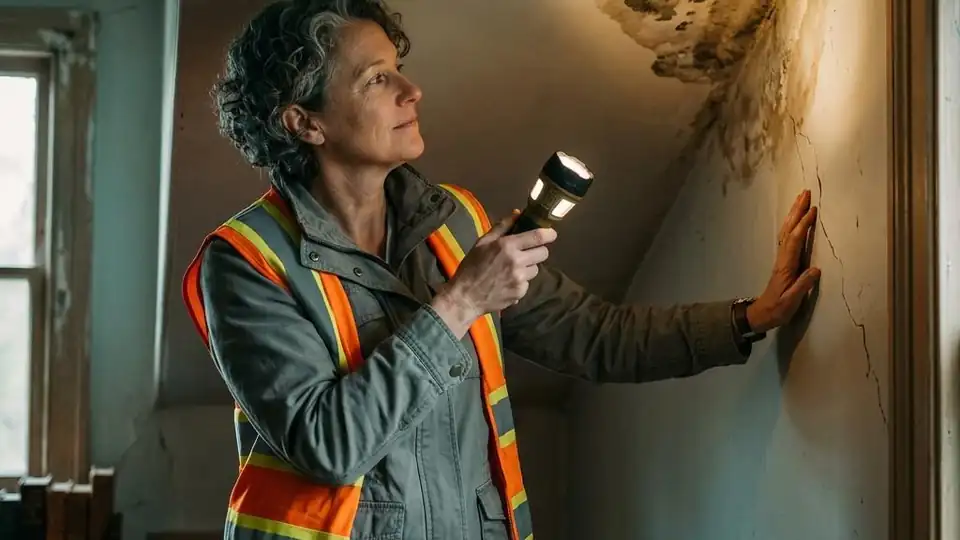
If you decide to test, hire someone who understands the limitations of the methods. Mold spore counts fluctuate with weather, time of day, and recent activity. A single test is a snapshot, not a diagnosis. More important than the numbers is the inspector's ability to trace moisture pathways and identify conditions that support mold. That kind of expertise comes from experience with old buildings, not just from reading a gauge.
Practical Steps for Mold Remediation in a Historic Home
When it comes time to clean up mold, the approach should be thorough but gentle. Harsh chemicals can damage historic finishes and may not be necessary. For non-porous surfaces, a solution of detergent and water often works. For porous materials like wood or plaster, the mold may be too deeply embedded to remove completely. In those cases, removal and replacement of the affected section is the only reliable option. A HEPA vacuum is essential during this process to capture airborne spores.
After remediation, the focus shifts to moisture control. This is where long-term strategies come into play. Install a proper vapor barrier in crawl spaces and basements if one does not exist. Improve drainage around the foundation. Seal windows and doors to prevent drafts that carry humid air. Use exhaust fans in bathrooms and kitchens to vent moisture directly outside. The goal is to create an environment where mold cannot re-establish itself.
For property owners working within historic preservation guidelines, there are sympathetic solutions. Exterior waterproofing can be done with breathable coatings that allow trapped moisture to evaporate. Interior drainage systems can be added without altering the appearance of the basement. The US Department of Energy has published guides on moisture management in older homes that balance energy efficiency with preservation. These resources are worth consulting before making major changes.
The Bigger Picture: Indoor Air Quality and Health
Mold is not just a building problem; it is a health problem. The EPA lists indoor air quality as one of the top environmental health risks. In a historic home, poor indoor air quality often goes hand in hand with mold issues. Dust, pollen, and volatile organic compounds from old paints add to the load. If you or your family have asthma, allergies, or other respiratory conditions, addressing mold in historic homes can lead to noticeable improvements in how you feel day to day.
A whole-house approach works best. Combine mold remediation with improved ventilation, regular cleaning with a HEPA-equipped vacuum, and humidity monitoring. A simple hygrometer costs under twenty dollars and can alert you when conditions are ripe for mold. Over time, these small habits make a real difference. You do not have to turn your historic home into a sterile box, you just need to keep it dry enough that mold cannot take hold.

Learning from the Experts
The National Trust for Historic Preservation offers workshops on maintaining old houses, including sessions on moisture management. House museums in Detroit and other cities demonstrate how professionals balance preservation with practical needs. Visiting one of these properties can give you ideas for your own home. You will see how they manage humidity in rooms with original plaster, how they handle basement moisture without modern sump pumps, and what materials they use for repairs that respect the building's age.
At the end of the day, dealing with mold in historic homes is about respect, respect for the building's history and for the people who live there now. It is not always easy, but it is possible. With the right knowledge, the right tools, and a willingness to work with the house rather than against it, you can keep your historic home both beautiful and healthy.